зміст
At the start, the difference between a universal and a custom case seems minimal – both supposedly cover the basic task. But in work, the main thing quickly becomes visible: whether the case simply fits the equipment, or actually fixes it, maintains order, and does not create problems during transportation.
These details are exactly what begin to matter when the case is used regularly. And they are exactly what separate a temporary solution from one that really works.
What is the real difference between a universal and a custom case
The difference between these cases is best seen not in description, but in work. At the start they may look similar, but after a few trips they behave differently. Everything comes down to whether the case is adapted to the task, or you adapt to the case.
| Criterion | Universal case | Custom case |
|---|---|---|
| Approach | Ready solution without considering a specific usage scenario | Developed for equipment, logistics, and work format |
| Shape and compatibility | Designed for standard sizes and typical configurations | Fully matches dimensions, shape, and features of the equipment |
| Fixation | Often conditional, possible shifting and contact between elements | Precise fixation through insert without play and movement |
| Internal space | General space without clear placement logic | Thought-out zoning for each element and accessory |
| Work on the road | May lose stability under vibrations and loads | Stably holds equipment even under active logistics |
| Convenience in work | Need to adapt, search, and check | Opened – and everything is in its places, without unnecessary actions |
When a universal case is enough, and when it is not
A universal case works as long as the task is simple: standard equipment, infrequent transportation, and a minimum of small elements. In such conditions, the absence of precise fixation or a clear structure does not create critical problems.
If the main thing is convenient storage or occasional transportation of equipment, a ready solution covers the basic need without unnecessary complication. At this stage, a universal case looks sufficient and does not create noticeable problems in work.
But as soon as the task changes – the requirements also change. Expensive, non-standard, or frequent transportation quickly reveals weak points: there is no fixation, chaos appears, and the risks of damage increase. In such conditions, a universal case is no longer enough.
What is the difference in practice
The main difference is felt in work – when the case begins to be used daily together with the equipment.
- Fixation of equipment. A universal case provides space. A custom case keeps everything in place without movement and risks.
- Order inside. Placement of elements can be either general or thought out for a specific task.
- Speed of access. A universal one forces you to search and rearrange. A custom one — opened and you immediately work.
- Protection on the road. A universal one covers the basics. A custom one stably withstands loads, impacts, and vibrations.
- Work over time. A universal one creates small problems over time. A custom one maintains stability without compromises. з часом створює дрібні проблеми. Індивідуальний зберігає стабільність без компромісів.
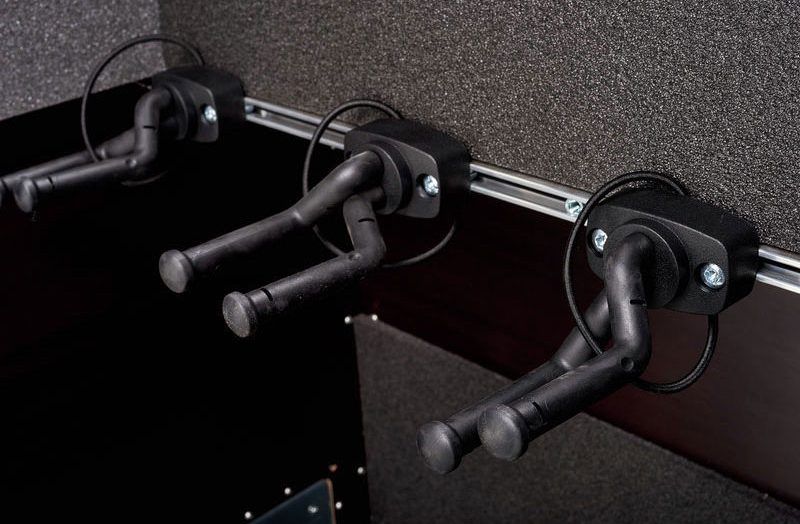
What the choice of a case changes in logistics and work
The right case changes not only the level of equipment protection. It affects the process itself. When there is order inside, the equipment is fixed, and access to it is thought out, the number of small delays, manual checks, and unnecessary movements decreases.
As a result, not only the equipment benefits, but the entire logistics. Less confusion, less risk of damage, easier loading, and more control over transportation. Therefore, a case made for the task often works not just as protection, but as a tool that makes daily work calmer and more predictable.
How BOXO approaches this
At BOXO, a case is not selected randomly. Everything starts with the task: what is being transported, how often, in what conditions, and what role precise fixation inside plays. It is exactly for these parameters that the solution is formed, not the other way around.
Then the case is assembled as a system, where each detail has its own task:
- Selection of case material for operating conditions
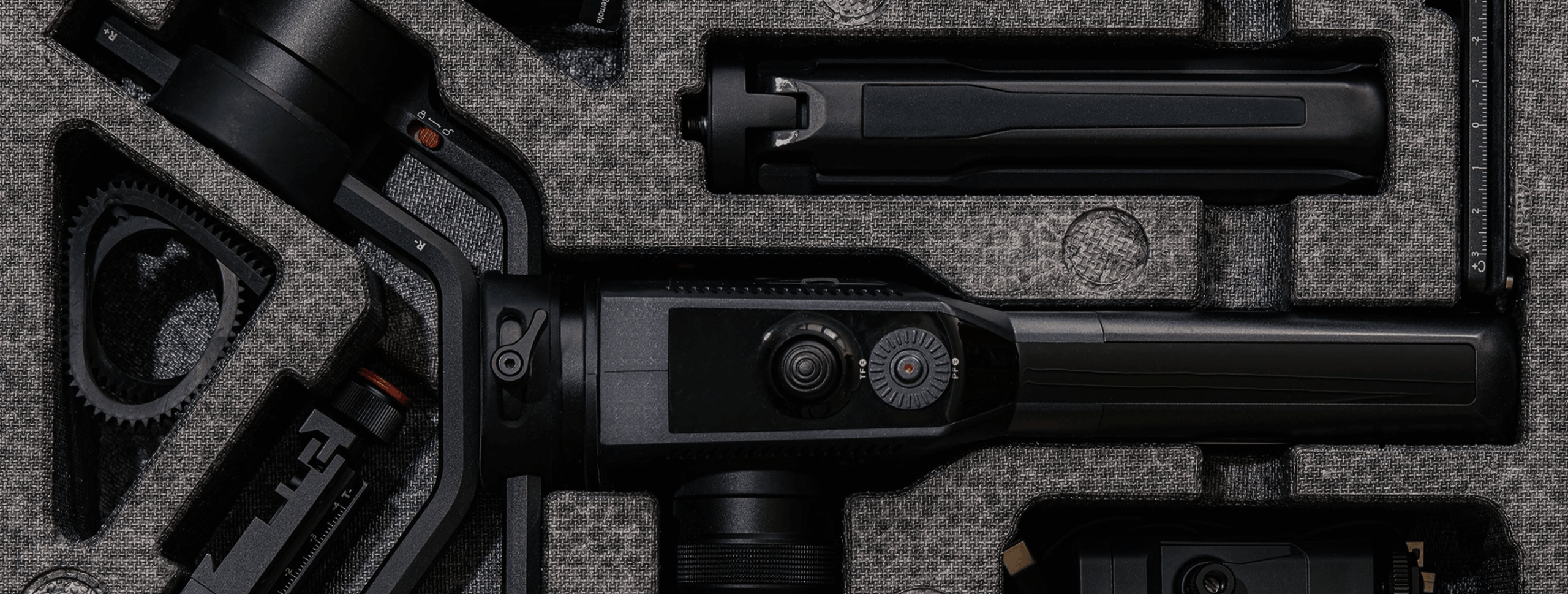
- Design of the insert for the shape of the equipment
- Thought-out internal logic and placement
- Convenience of carrying and working
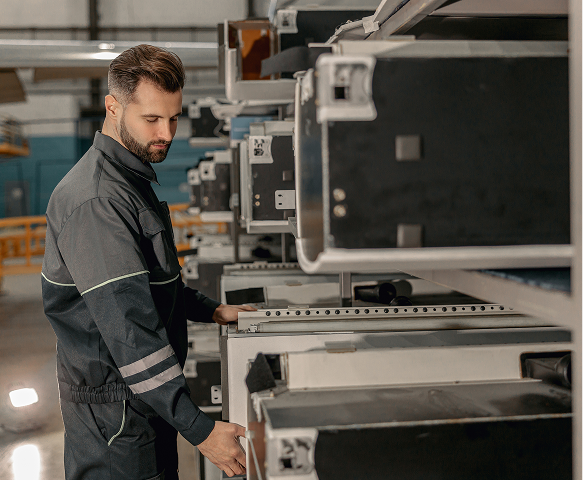
If necessary, a 3D visualization and drawings are prepared, a test sample is made, and only after that production is launched. This approach works both for one case and for a series – as a result, a solution is obtained that does not create unnecessary difficulties in work
-
An insert is an individually formed internal insert that fixes equipment inside the case. Unlike a regular foam padding, it is manufactured for specific dimensions of devices and takes into account their shape, weight, and features of use.
-
Yes, we specialize in manufacturing cases based on an individual request. We carefully take into account the parameters of your equipment, its purpose, operating conditions, and wishes regarding appearance. This allows creating a solution that ideally suits you – both in functionality and in design.
Conclusion
A universal case is suitable for simple tasks, but with regular transportation, complex logistics, or expensive equipment, the difference between a basic and a custom solution becomes obvious. There is no one option for everyone – there is one that corresponds exactly to your task. If you do not want to go into details, it is enough to describe the conditions to select a case that really works.