
зміст
Project idea
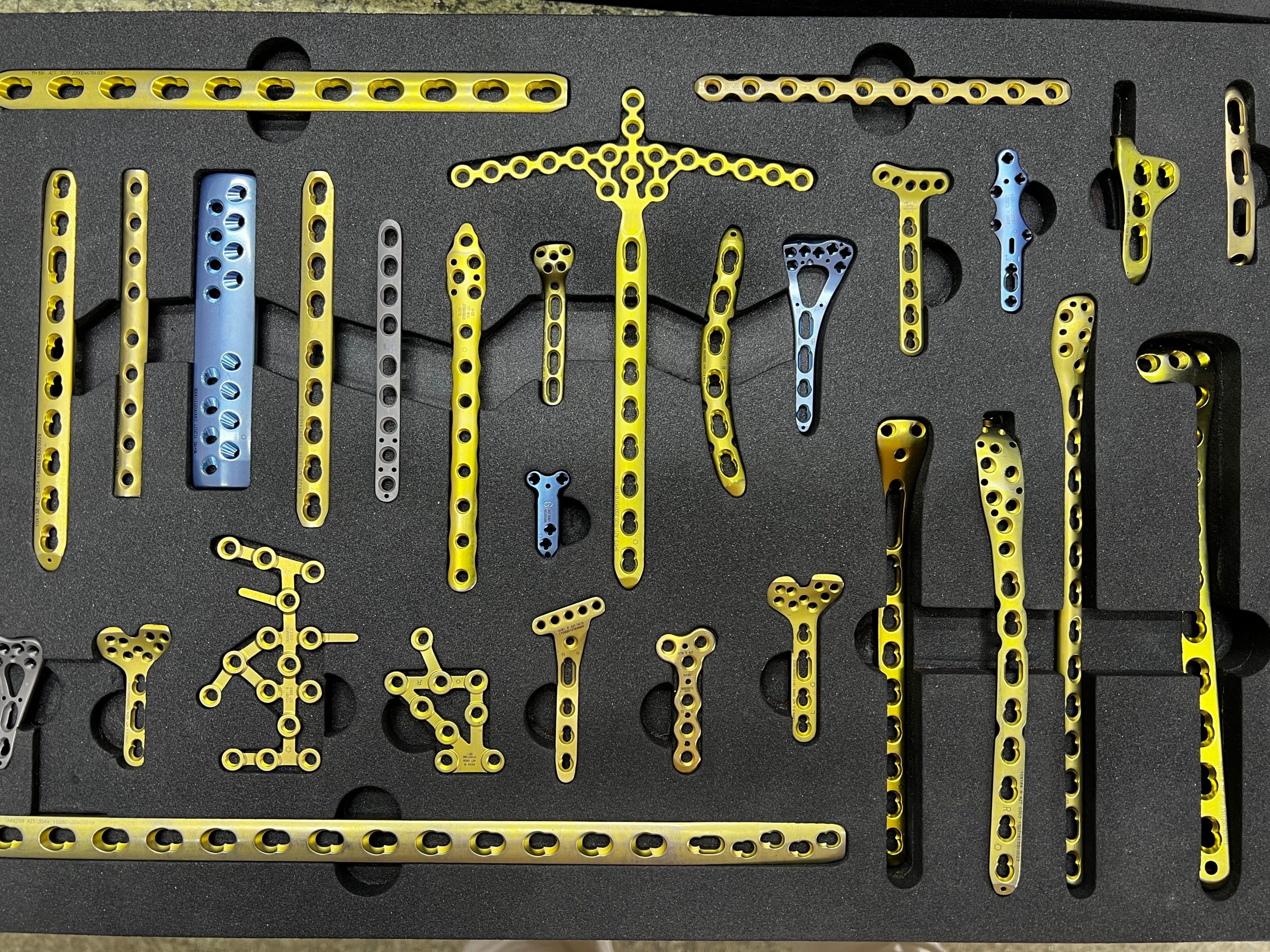
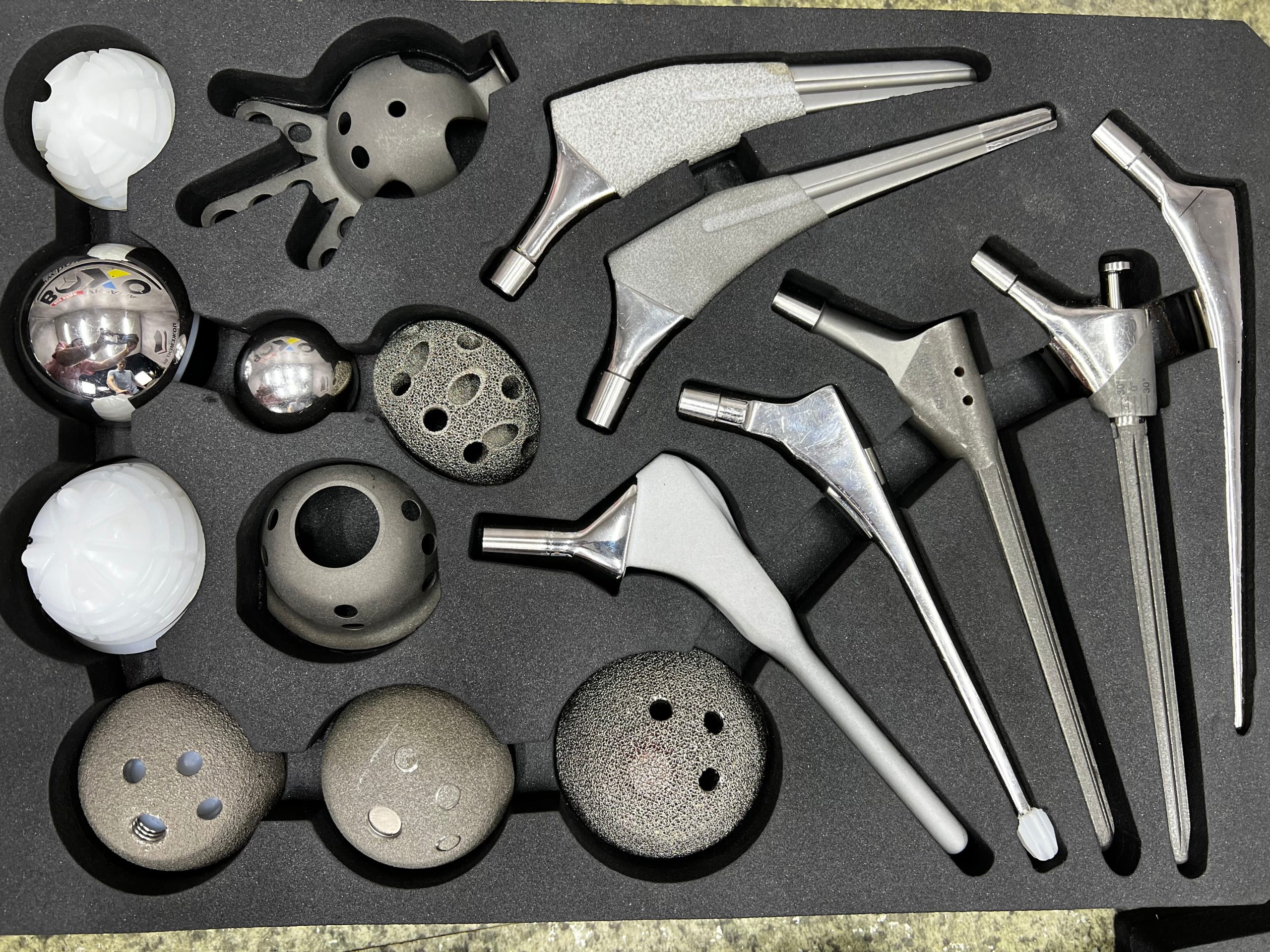
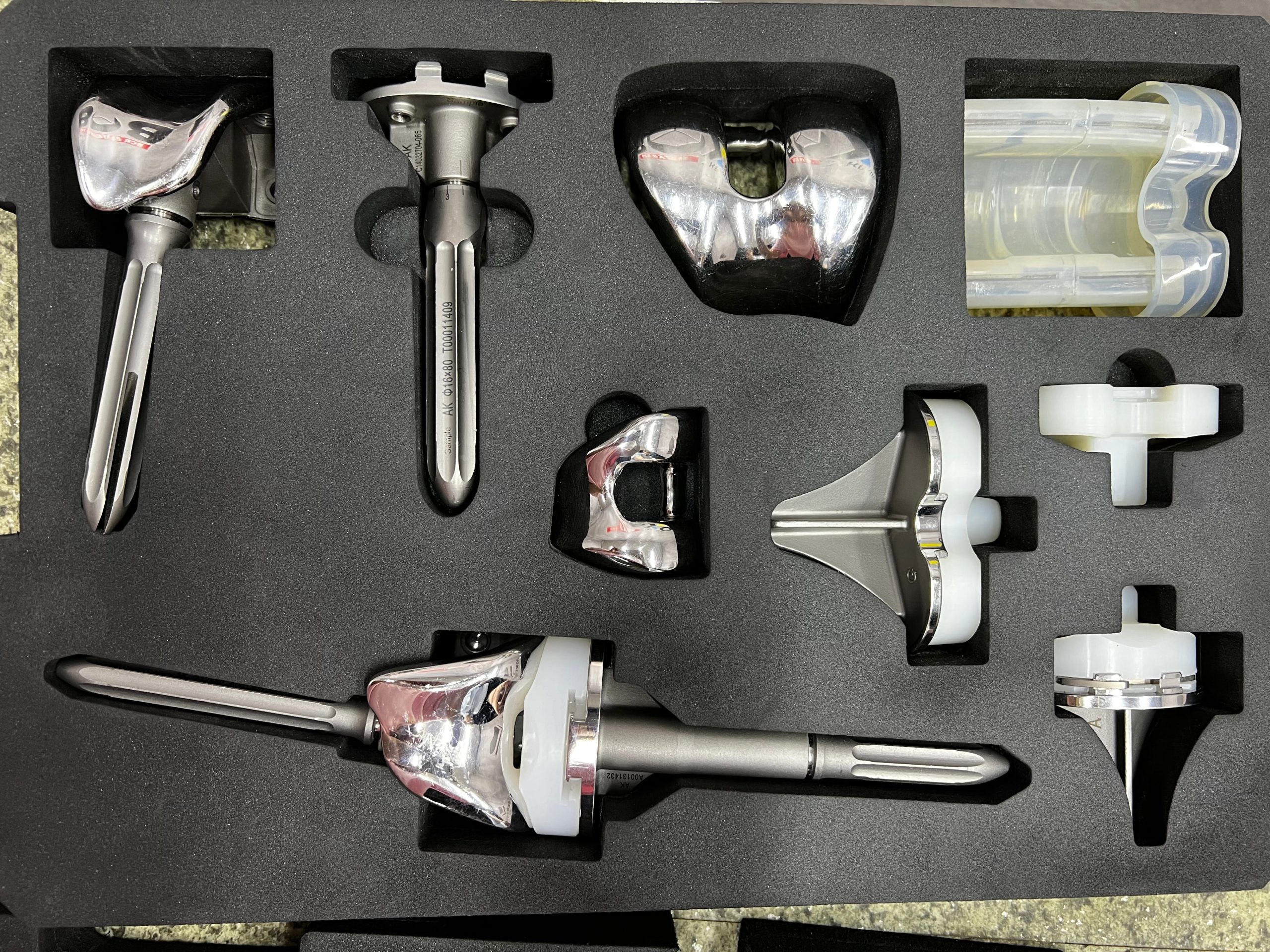
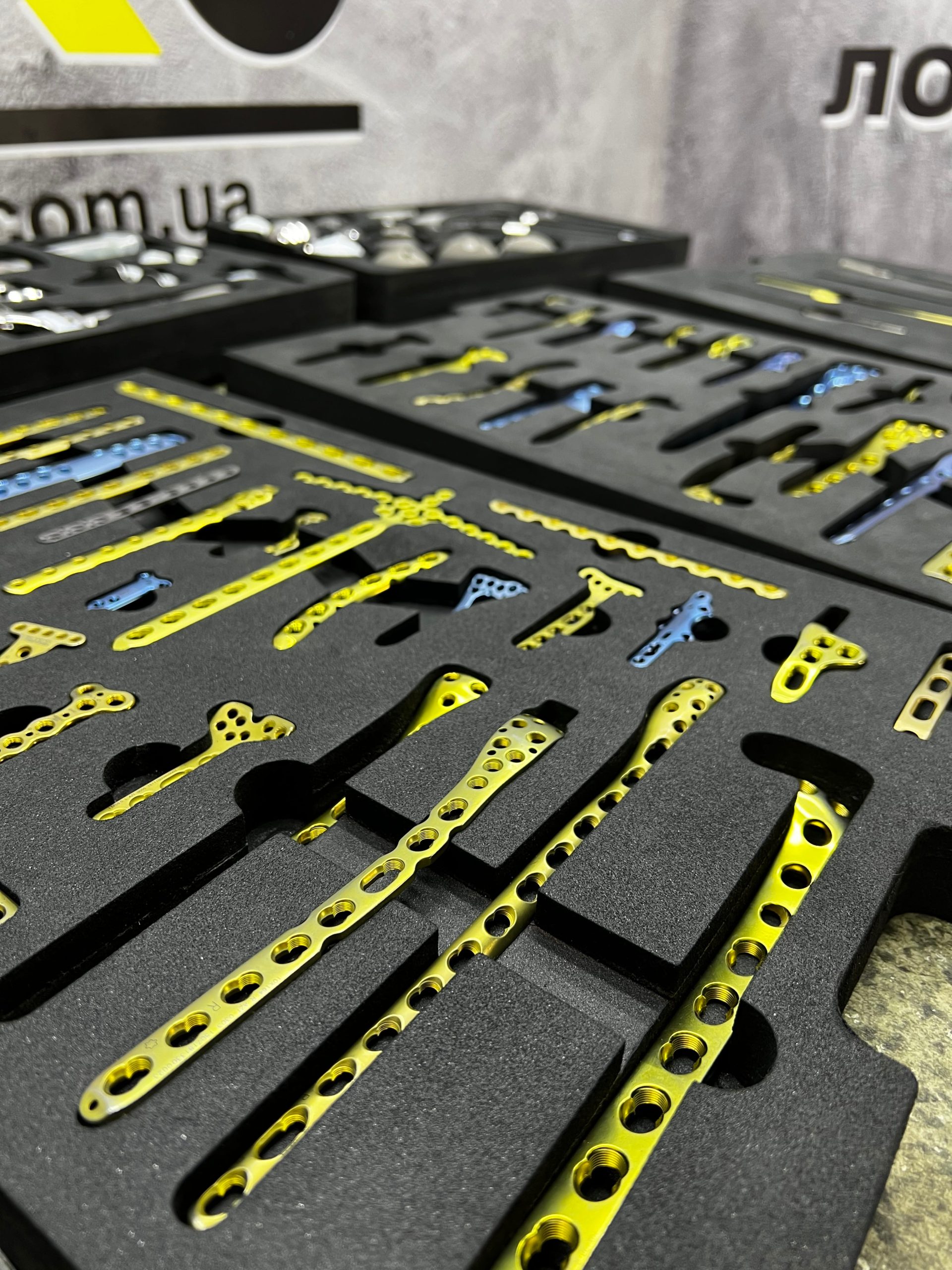
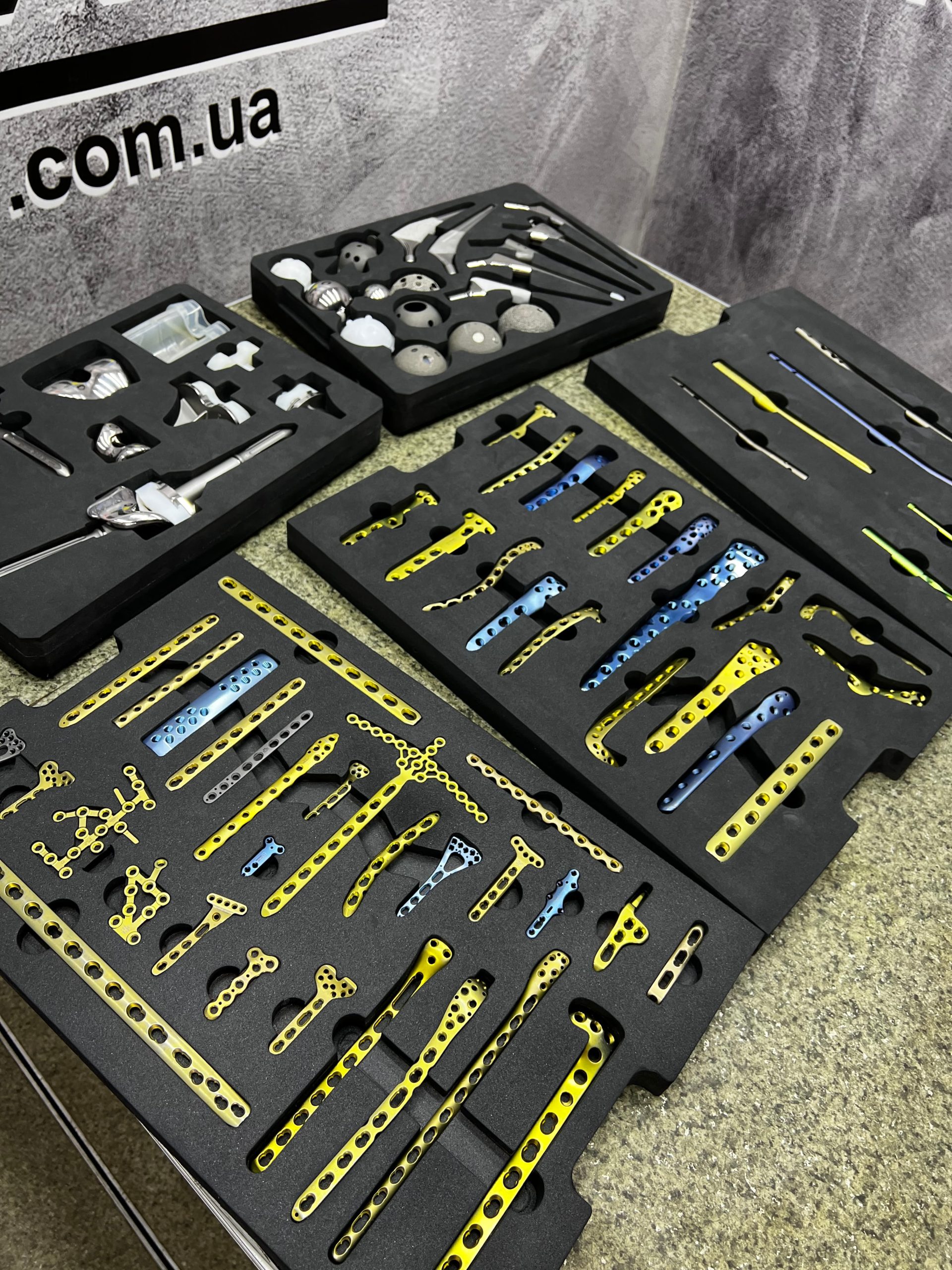
BOXO developed a system of cases for storage, organization, and transportation of orthopedic implants used in traumatology and reconstructive surgery.
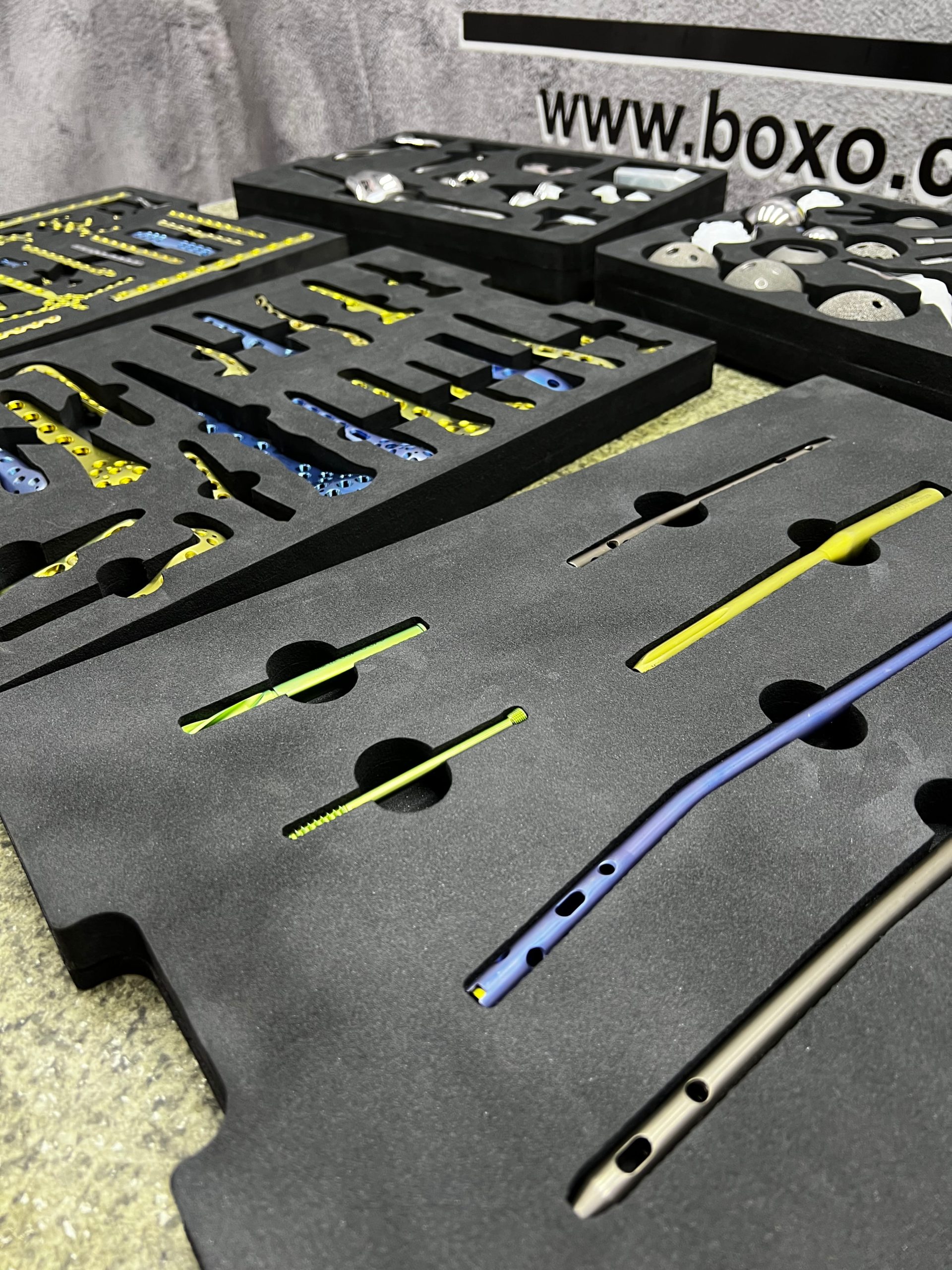
The system covers more than 80 types of products — from plates for osteosynthesis to intramedullary rods and components of endoprostheses. All of them differ in shape, size, and features of use, which directly affects the approach to their storage.
Task
It was necessary to create a system that organizes a large number of implants and makes working with them predictable. It was important to ensure quick access to each element and eliminate the risk of displacement or damage during transportation.
A separate emphasis is on the logic of placement, which must be understandable for medical staff even in stressful conditions.
Challenge
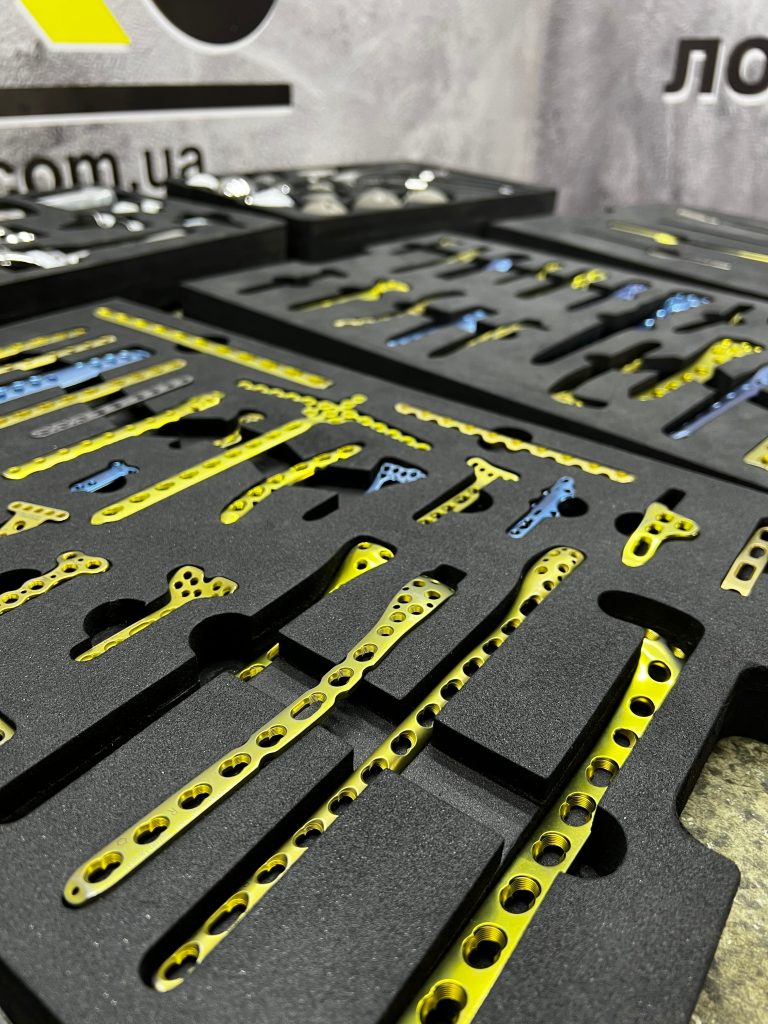
The set included implants with radically different geometry — long rods, thin curved plates, complex multi-component elements. Some products have polished surfaces, others anodized or matte, which required a different approach to fixation.
Each element required precise fitting taking into account shape, weight, and the way of interaction with it during work. At the same time, the system had to remain convenient — the implant must be securely fixed, but easily retrieved with one movement.
Solution
All implants were digitized and modeled in a CAD environment based on 3D scanning. This made it possible to create individual inserts with precise geometry for each position.
The depth, radii, and fixation points are calculated in such a way that the element remains stable during transportation and at the same time is easily removed.
The system is built on a modular principle: each case has its own internal logic of organization, but together they form a unified storage structure. The implants are grouped by types, which allows quick orientation and work without unnecessary actions.
Result
BOXO cases for prostheses form a clear and stable system of working with orthopedic implants, where each element has its place and usage scenario. This is a part of the workflow that reduces risks, saves time, and fits into real conditions of medical practice.