зміст
A case on the road receives all loads first: impacts, pressure, vibrations, dust, and moisture. It is carried, loaded, stacked, and constantly moved. And if the body does not withstand this — it no longer matters what is inside. In transportation, it is not appearance that works, but the ability of the case to hold shape and реально protect the equipment.
Why the case body is critically important
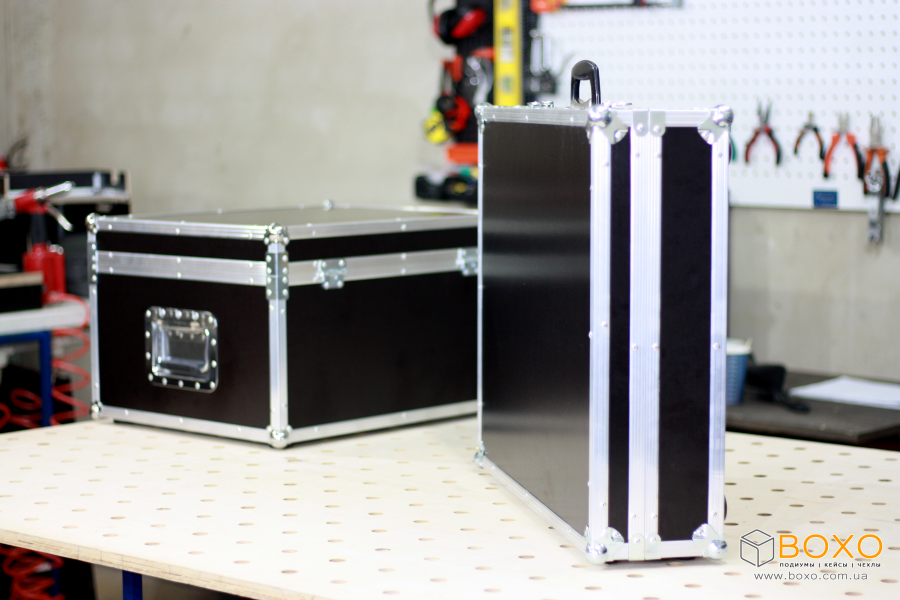
The case body is the base of the entire construction. It withstands external impact and protects the equipment from the road. If the body does not withstand, the case stops working as protection. And it is not only about “closing” the equipment – it maintains the rigidity of the system. If it deforms, play and shifts appear inside, and even a good insert no longer helps.
In real use, much more falls on the body than it seems. It is not about ideal conditions, but about constant load: impacts during transportation and loading, pressure from other cargo, vibrations on the road, dust and moisture, constant carrying, and frequent opening. Separately, this looks like small things, but together such things gradually “destroy” a weak case.
What is important in the body in practice
When you look at a case body, it is easy to evaluate it by appearance, but this is not an indicator. In work, something else is important: whether it withstands loads, whether it deforms from impacts, whether it loses shape after a few trips.
These are exactly the things that determine whether the case really protects the equipment or just looks reliable.
- Rigidity of the construction. The body must hold shape under load and not deform on the road.
- Impact resistance. It must спокойно withstand impacts, drops, and pressure without consequences for the equipment.
- Protection from dust and moisture. Does not allow the external environment to get inside during transportation.
- Stability over time. Does not loosen and does not lose its properties with regular use.
- Balance of strength and weight. Strong enough to withstand the road, but does not overload logistics.
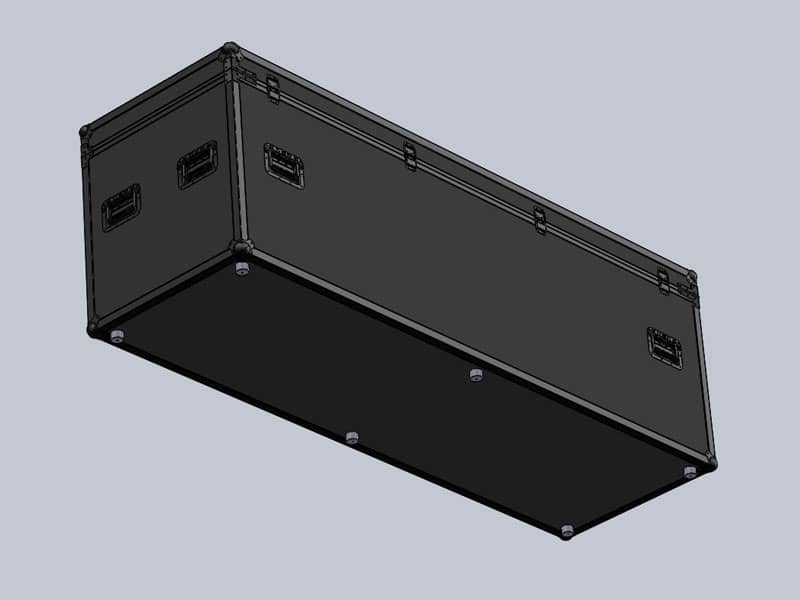
Body material, which is selected for the task
One material cannot be better for all cases. The body material is always selected for the task: what is transported, how often, and in what conditions the case is used.
Material Features Application Plastic Impact-resistant, lightweight, protects well from moisture and dust Daily transportation, equipment that is frequently moved Aluminum Rigid, wear-resistant, with a neat appearance Constant logistics, professional equipment Composite Balance of strength and weight, stable construction Complex transportation, where both strength and weight are important Plywood Strong, practical, withstands loads Working cases, intensive use
Why the body does not work separately from the insert
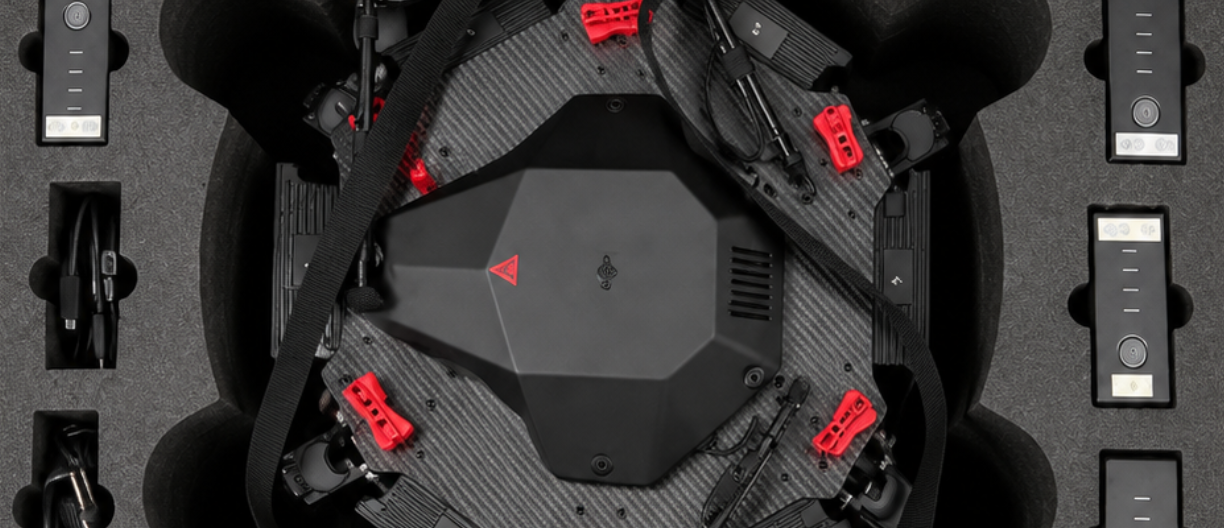
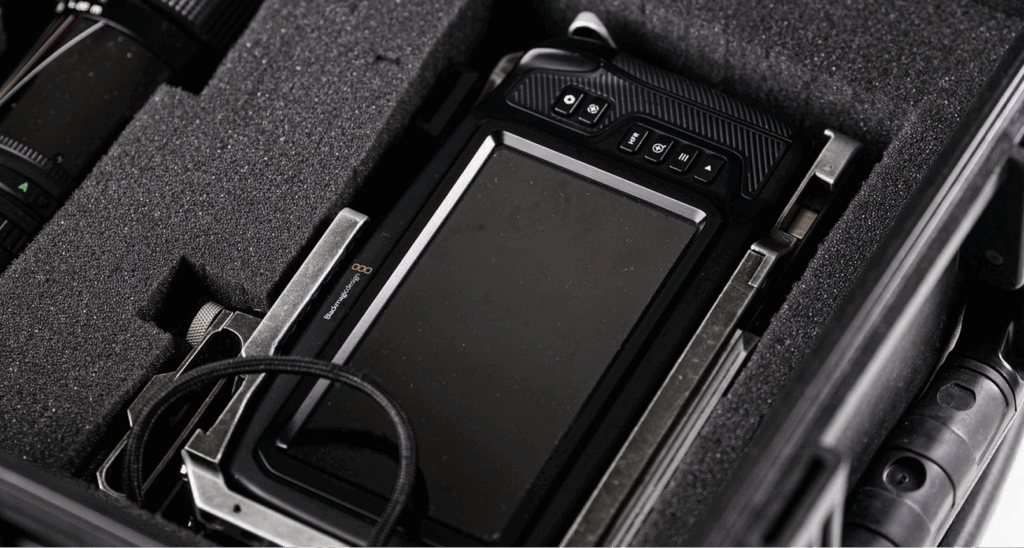
The body takes everything that comes from the outside. The insert holds what is inside. And only together they provide normal protection. If the body is strong, but the equipment inside moves, the risk of damage does not disappear. If the insert is good, but the case itself is weak, at some point the problem will still come from the outside.
Therefore, a case that really works on the road is always a system. The body withstands impact, the insert fixes the equipment, the hardware withstands constant use. And only in such a combination does the equipment arrive intact, and the case itself does not turn into another problem in logistics.
When a universal body is no longer enough
Universal cases work as long as the tasks are simple. But as soon as real logistics begins – weak points appear.
When the equipment is expensive, any impact is already a risk. When the shape is non-standard – compromises appear inside. When transportation is regular – the body simply does not withstand the load.
The same applies in difficult conditions: dust, moisture, uneven roads. Or when there are many small elements and precise fixation is important – any movement becomes a problem.
At some point it becomes clear: there are cases that simply “fit”, and there are those that really protect. And these are already different levels of solutions.
How BOXO approaches the choice of the body
At BOXO, the body is not selected randomly. Everything starts with the task: what is transported, how often, and in what conditions it will be used. Weight, dimensions, sensitivity to impacts, and the logistics format itself are taken into account – and based on this, the material, construction, and internal filling are selected.
The body is immediately considered as part of a system, not a separate element. Therefore, it is not the equipment that is adjusted to the case, but the case is made for the real task — regardless of whether it is a single unit or a series. It is enough for you to describe the task, then the solution is selected for you.
-
An insert is an individually formed internal insert that fixes equipment inside the case. Unlike a regular foam padding, it is manufactured for specific dimensions of devices and takes into account their shape, weight, and features of use.
-
Yes, we specialize in manufacturing cases based on an individual request. We carefully take into account the parameters of your equipment, its purpose, operating conditions, and wishes regarding appearance. This allows creating a solution that ideally suits you — both in functionality and in design.
Conclusion
The case body is what takes on the entire “impact of the road”. And if it does not withstand it, then it no longer matters what is inside.
Therefore, looking only at appearance is a mistake. It is important that the body matches the specific task and реально withstands the load. If you do not want to go into this — ok, we will select a solution so that the case simply works and does not fail on the road.