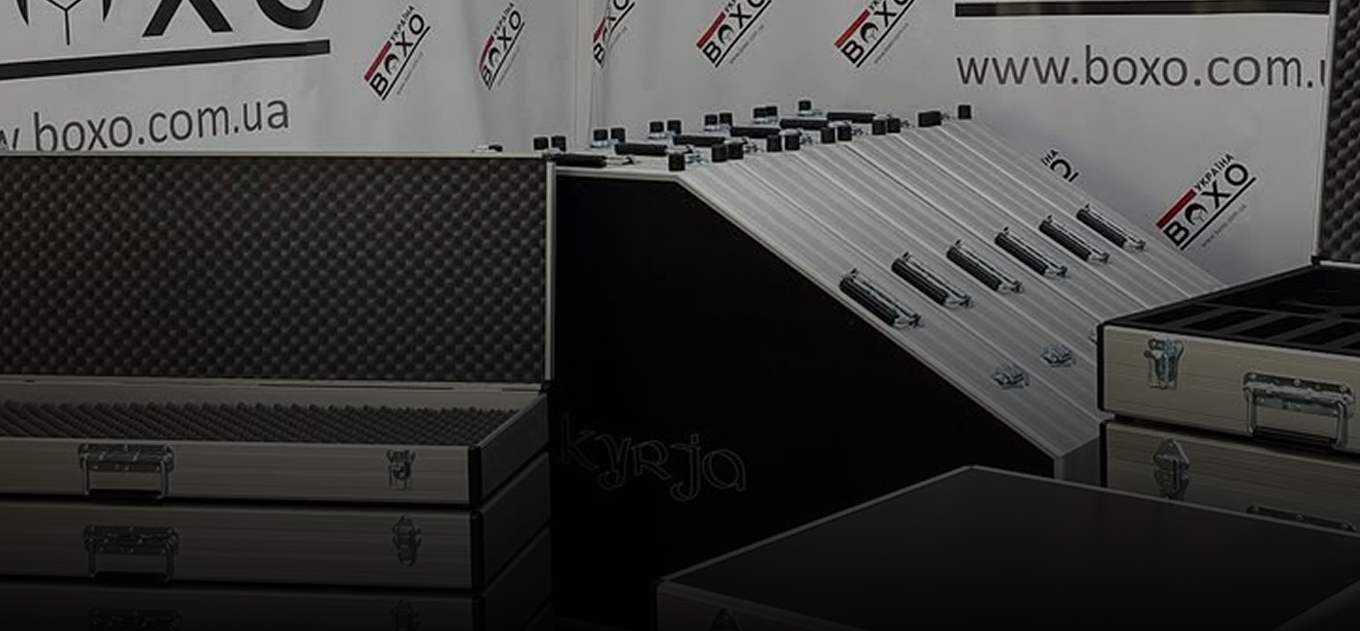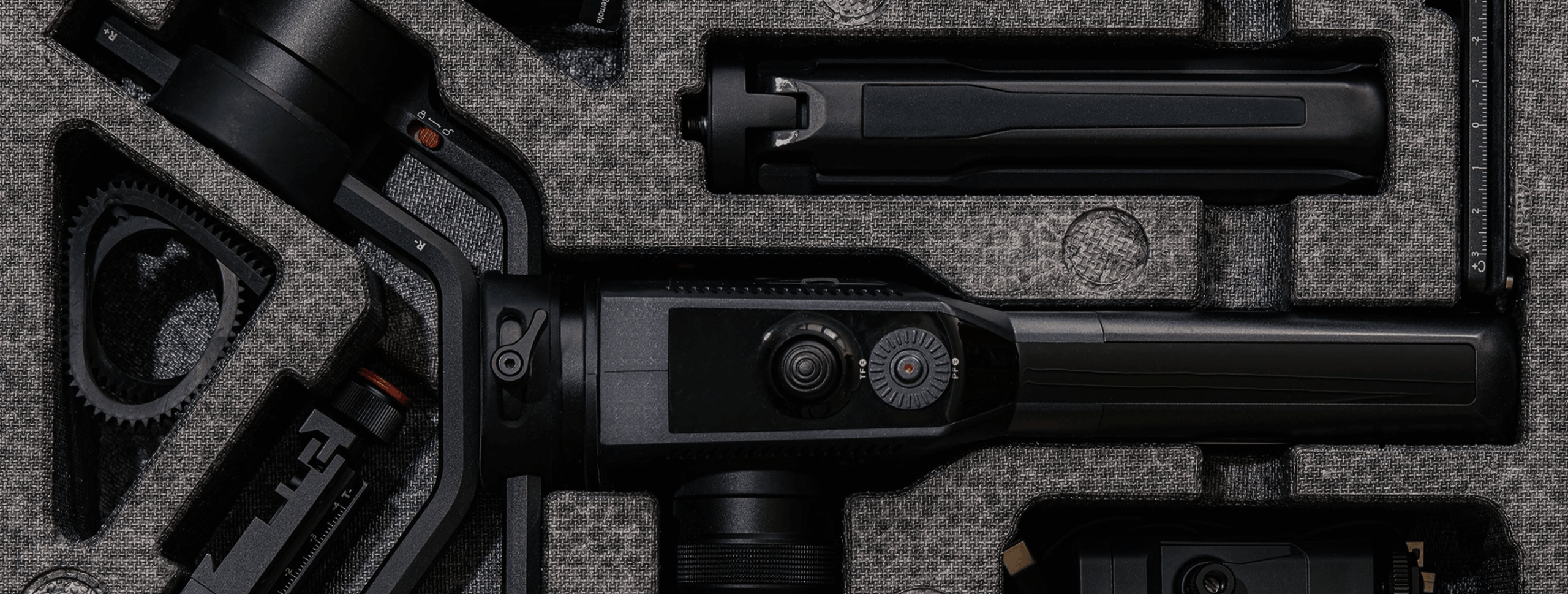
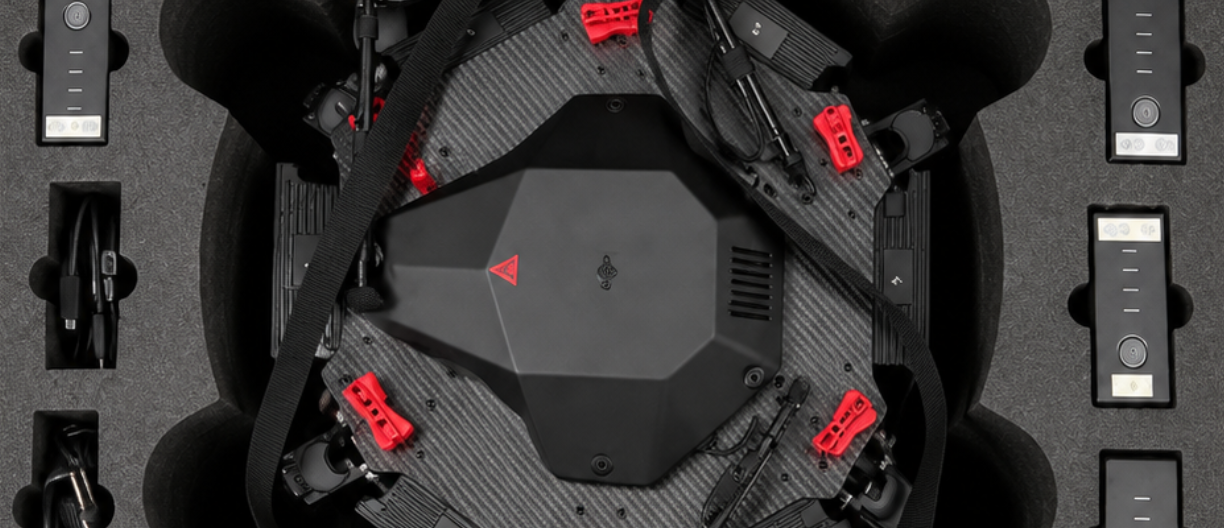
From the outside everything looks simple: the equipment was placed in a case, closed, transported — it means everything should be normal. But on the road everything works differently. The equipment shifts, presses on itself, vibrates, rubs against the case or neighboring elements.
And if everything inside is thought out carelessly, the case does not protect, but simply transports the problem from point A to point B. Most often the equipment breaks not because of the fact of transportation itself, but because something was not taken into account from the very start. This is exactly where the main problems begin.
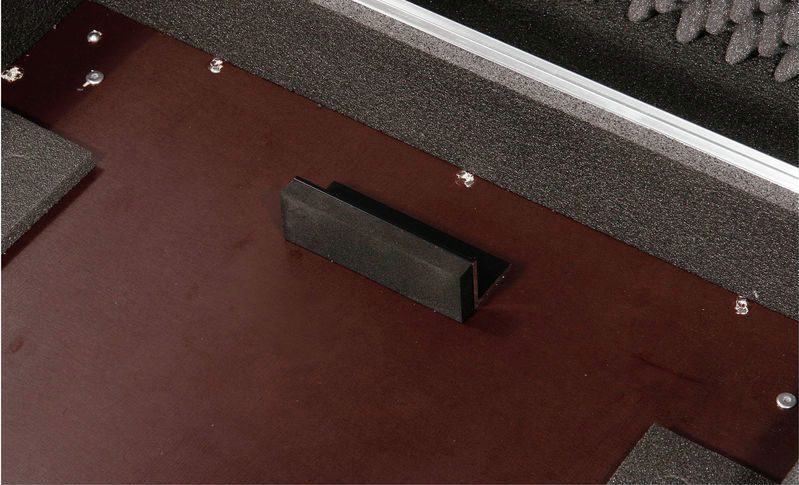
1. Free space inside the case
The most common logic is simple: the main thing is that the equipment fits. It seems this is enough, but this is exactly where everything begins – because on the road it does not lie, but constantly moves.
As a result:
- play appears
- the case receives micro-impacts
- surfaces rub against each other
- weak parts of the equipment wear out faster
Free space in the case is not a reserve of convenience, but constant movement inside, which gradually destroys the equipment even without strong impacts.
2. Absence of an insert
Many think that the main thing in a case is a rigid case. Supposedly, if everything is strong on the outside, then the equipment is already protected. But in practice, the case withstands impacts from the outside, and the insert is responsible for what happens inside.
Without an insert, the case turns into a box where the equipment lies however it happens. And then everything goes according to a familiar scenario: something moved, something hit, cables got tangled, small elements have to be searched manually.
As a result:
- the equipment shifts during movement
- elements hit each other
- small parts get lost
- with each opening everything has to be checked доводиться все перевіряти
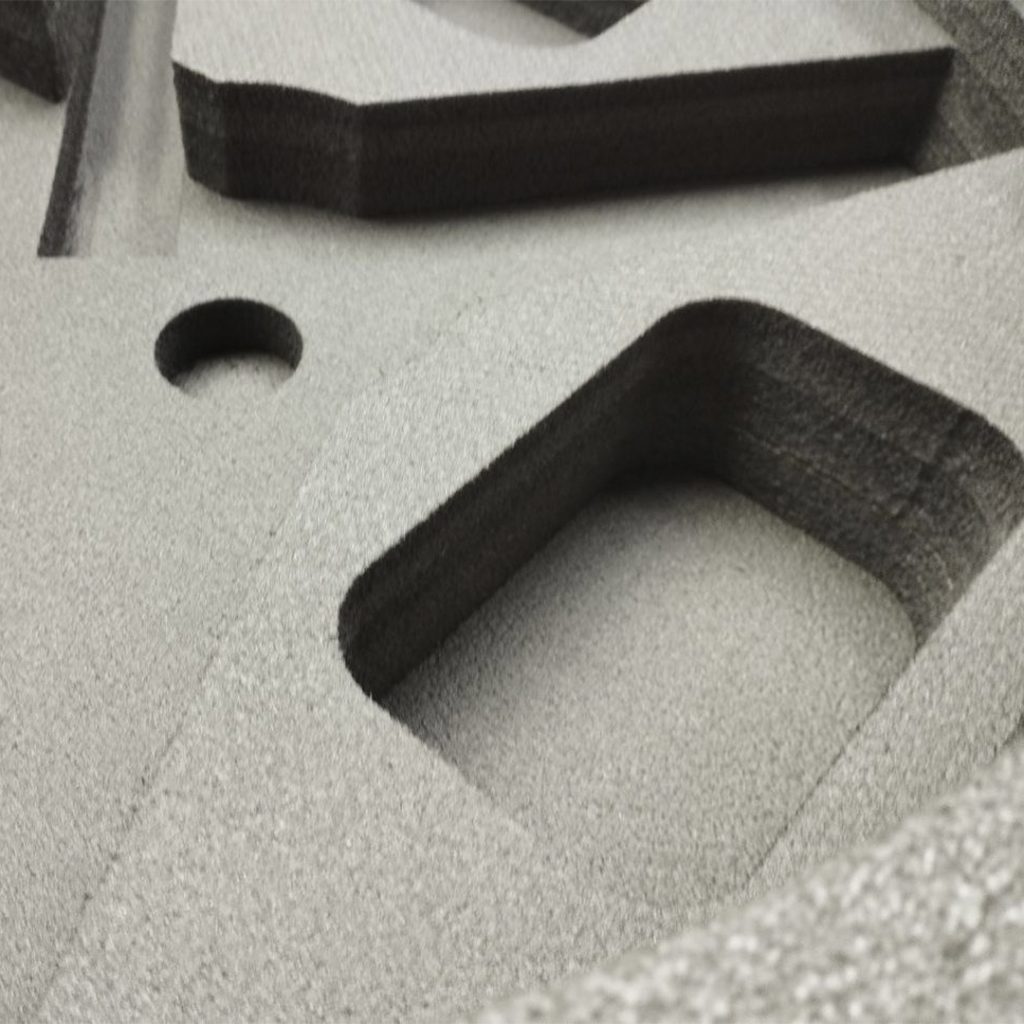
The point of the insert is not that it looks nice inside. The point is that everything lies clearly, does not move, and does not create unnecessary problems in work.
How not to fall into the same problems
If you do not want to understand all these nuances and check every time whether everything arrived — you do not need to guess.
It is enough to understand what exactly you transport, how often it moves, and in what conditions it is used. After that, you can assemble a solution for a specific task — so that the equipment does not shift, does not hit, and does not require constant control.
Sometimes it is easier to do it properly once than to worry about the result every time.
Conclusion
Equipment breaks not because it is simply transported. It breaks where on the road it begins to move, press on itself, hit and rub – and no one controls this. A case by itself does not solve anything if there is play, chaos, and random placement inside.
A good case works differently. In it nothing moves, nothing hits, and nothing requires constant checking. Everything lies in its place and calmly withstands the road. And exactly then people stop thinking about the case – it simply does its job.